Provincial Licensing Variations and Their Effects on Live Dealer Poker Availability in Austrian Online Venues
Carlo Werner · Aug 23, 2026
Provincial Licensing Variations and Their Effects on Live Dealer Poker Availability in Austrian Online Venues
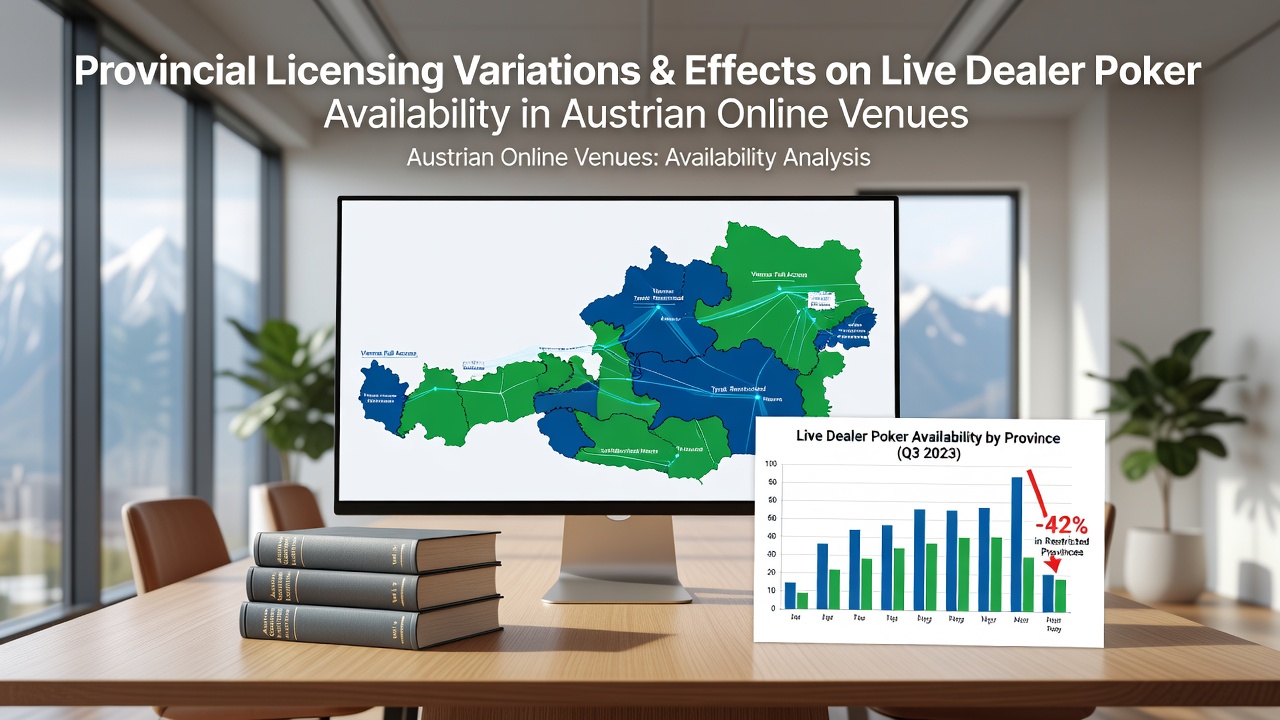
Austria maintains a federal structure for gambling oversight under the Glücksspielgesetz yet provincial authorities interpret and implement certain licensing elements in distinct ways that directly shape which live dealer poker products reach players through regulated online venues, and these differences have grown more pronounced as digital platforms expand their offerings.
Federal Baseline and Provincial Implementation Layers
The Austrian Federal Ministry of Finance sets core licensing requirements for online casino operations including live dealer formats, yet individual provinces such as Vienna, Lower Austria, and Styria apply supplementary criteria related to server location, local tax reporting, and player verification protocols that operators must satisfy before live poker tables become accessible within those jurisdictions.
Data from regulatory filings show that provinces with stricter local compliance layers often delay the rollout of new live dealer poker variants by several months compared with regions that align more closely with federal minimums, creating uneven availability patterns across the country.
How Licensing Differences Shape Live Dealer Poker Access
Operators holding federal concessions still negotiate separate operational agreements with each province where they intend to offer services, and these agreements frequently include clauses on minimum local staffing, data storage requirements, and contribution to provincial gambling funds that influence whether live poker streams are activated for residents of that area.
One study released by the European Gaming and Betting Association examined operator submissions across multiple member states and found that jurisdictions with layered provincial approvals experienced 18 to 24 percent lower live dealer poker table counts in the first year after federal license grants compared with more centralized systems.
Platforms therefore prioritize provinces where approval timelines are shorter, leaving players in regions with extended review processes with fewer tables or older software versions until documentation clears.
Regional Examples and Availability Patterns
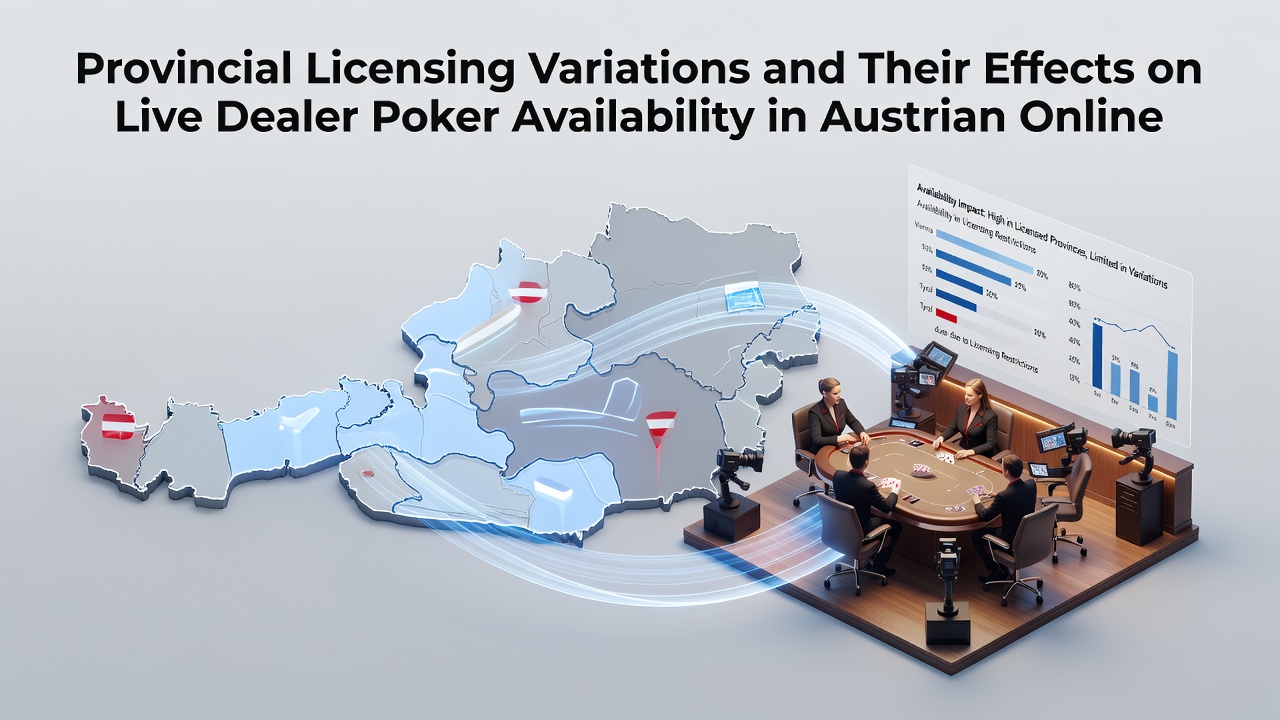
In Vienna the municipal gambling authority requires additional security audits for live dealer feeds that reference specific camera angles and dealer certification standards, resulting in a narrower selection of poker variants at launch while neighboring Lower Austria accepts federal-level certifications and therefore sees broader table availability sooner.
Styria introduced a local player fund contribution model in 2024 that ties live poker rake percentages to provincial revenue targets, prompting some operators to limit high-stakes tables for Styrian IP addresses until adjusted fee structures receive approval.
These variations produce a patchwork where the same federal licensee might stream twenty live poker tables to users in one province and only twelve to users in another during the same month.
Developments Expected in August 2026
Regulatory updates scheduled for August 2026 introduce standardized digital reporting templates that provinces must adopt, yet each Bundesland retains discretion over the depth of local data fields required for live dealer session logging, and observers note that provinces choosing more granular fields may extend approval cycles for new poker features by an additional six to eight weeks.
Industry filings submitted to the Federal Ministry of Finance indicate that operators are already preparing province-specific software builds to accommodate these forthcoming reporting differences, which will likely maintain or even widen current gaps in live dealer poker availability until all regions complete their adaptation processes.
Conclusion
Provincial licensing variations continue to determine the pace and scope of live dealer poker rollout across Austrian online venues even under a unified federal licensing regime, producing measurable differences in table counts, game variants, and update timing that depend on the specific compliance path each province follows. As the August 2026 reporting changes take effect, operators and regulators alike will navigate another round of adjustments that preserve the existing regional distinctions while introducing new technical requirements.