How Local Cultural Events Spur Mobile Betting Innovations for Sports and Poker Fans
Eden Krüger · Oct 2, 2026
How Local Cultural Events Spur Mobile Betting Innovations for Sports and Poker Fans
Local cultural events across various regions have prompted developers to introduce targeted functionalities in mobile betting platforms that cater to sports and poker participants, and these changes reflect adaptations to seasonal gatherings rather than broad regulatory shifts.
Festival-Driven Feature Additions in Sports Betting Apps
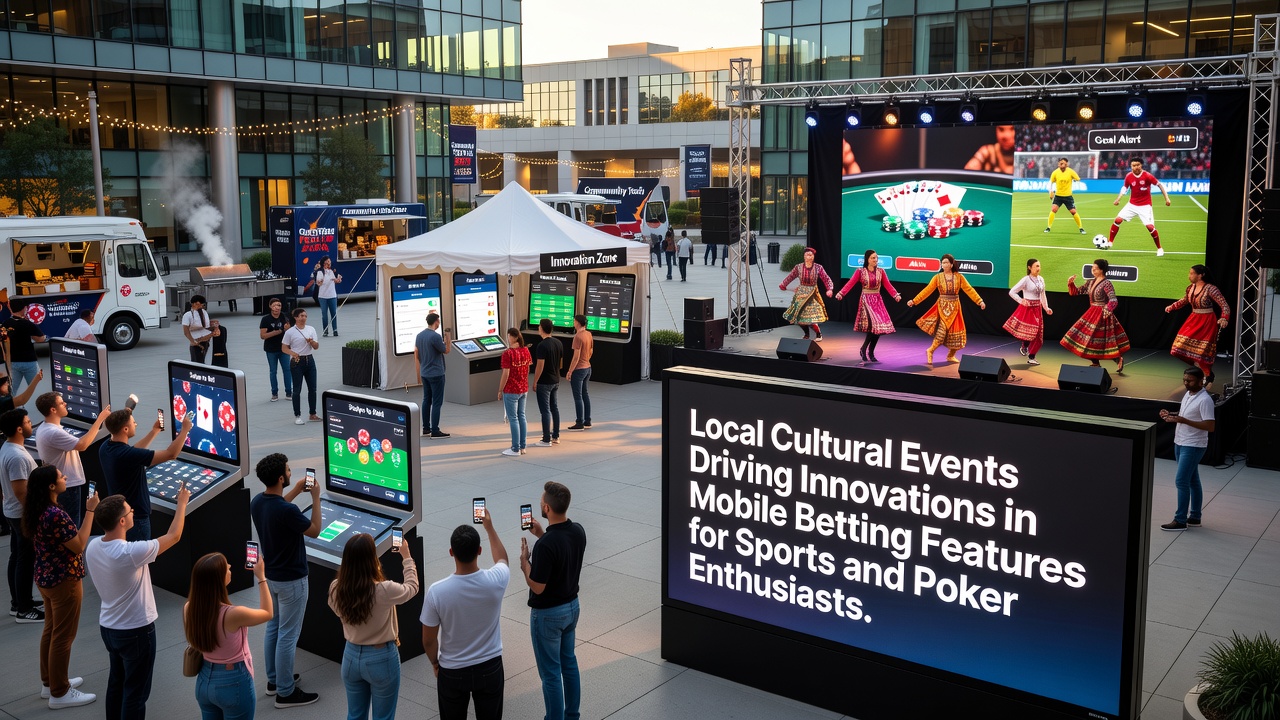
Events such as Carnival celebrations in Brazil and harvest festivals in parts of Europe lead platforms to integrate real-time event overlays where users access live odds tied to local team performances during parades and matches, and data from industry reports shows increased session times when these layered interfaces appear. Observers note that apps often incorporate geo-specific notifications that alert participants to upcoming cultural matches, while developers add quick-bet sliders calibrated for high-volume festival periods when multiple games occur simultaneously. Research from academic sources indicates that such integrations draw from patterns observed at major public gatherings where betting volume spikes around community events.
One study released by the International Center for Gaming Regulation examined how apps serving Australian markets adjusted interfaces ahead of indigenous cultural days, and the findings revealed additions like multi-sport parlay options that bundle traditional events with standard leagues. Those adjustments allow users to place combined wagers without switching screens, and figures from the report point to measurable uptake in regions hosting annual festivals. What's interesting is the way developers track attendance data from public events to time these rollouts, ensuring features align with peak interest windows rather than generic schedules.
Poker Platform Adjustments Linked to Regional Gatherings
Poker applications have incorporated tournament structures modeled after local card-playing traditions that surface during community fairs and seasonal meets, and these modifications include themed tables with cultural motifs alongside standard gameplay mechanics. Experts tracking app updates have documented cases where platforms serving North American users introduced sit-and-go formats timed to coincide with state fair seasons, while European services added multi-table options that mirror group play common at regional gatherings. According to data compiled by the European Gaming and Amusement Association, such features correlate with higher retention rates when they reference recognizable local customs without altering core rules.
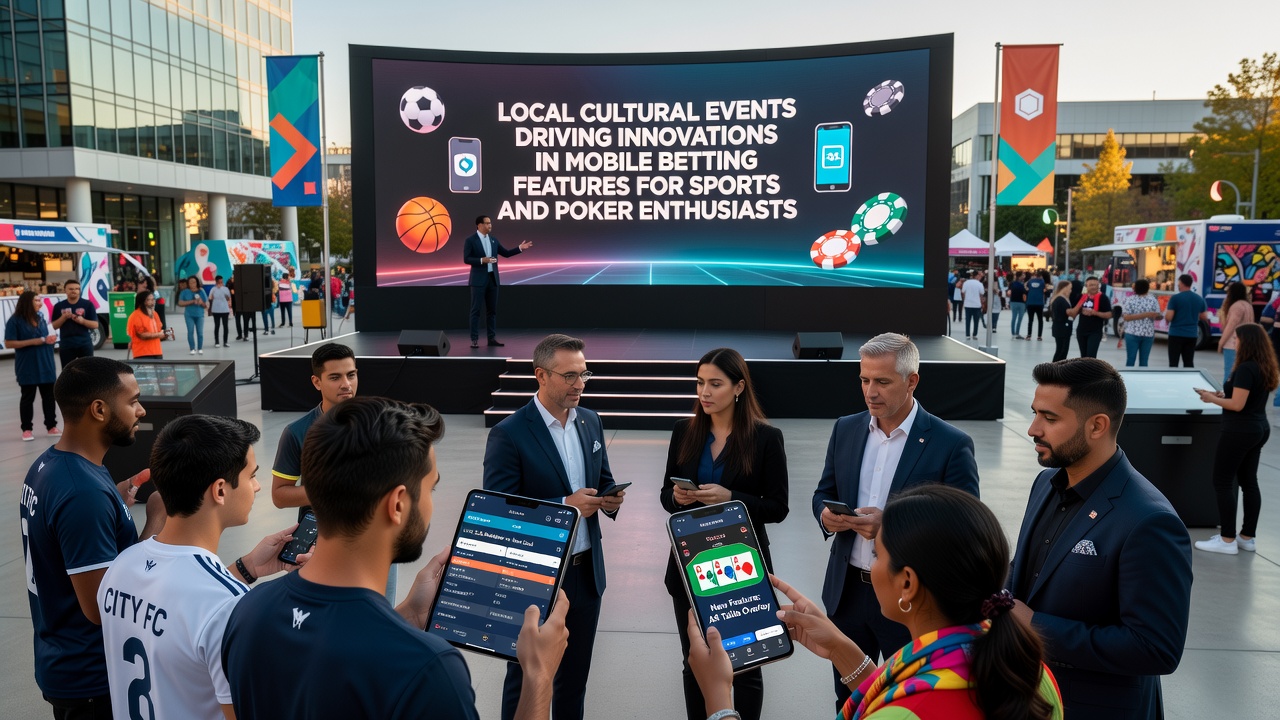
Developers have also embedded social sharing tools that let participants broadcast tournament progress during events like harvest celebrations, and this connectivity draws from observed behaviors where players discuss hands in real time at physical venues. Studies conducted by university research teams in Canada found that these sharing elements increase engagement when they sync with public calendars, yet they maintain separation from live dealer streams to comply with platform guidelines. The reality is that these innovations emerge from iterative testing around recurring cultural dates, allowing apps to refine notification cadences and reward structures based on participation metrics collected over multiple cycles.
October 2026 Projections and Cross-Regional Patterns
Planning documents from several app providers reference preparations for October 2026 events that include expanded live-tracking modules for sports tied to autumn festivals in multiple countries, and these modules feature augmented overlays that display cultural context alongside standard statistics. Data indicates similar patterns in poker environments where apps preview limited-time tables themed around harvest or commemoration gatherings, and these previews often include practice modes that mirror the pacing of in-person play at those events. Observers tracking global trends report that such preparations follow consistent cycles where local attendance records inform the scope of mobile additions.
Platforms serving diverse markets have synchronized updates around overlapping cultural calendars, and this coordination produces shared libraries of features that users in different regions access through localized skins. Research indicates that these libraries reduce development redundancy while preserving distinct visual references to specific traditions, and the approach supports broader accessibility across sports and poker verticals. Those who monitor update logs note that October 2026 timelines align with multiple documented festivals, allowing simultaneous launches rather than staggered releases.
Technical Mechanisms Behind Event-Inspired Updates
Backend systems in mobile betting environments now employ event calendars pulled from public sources to trigger feature activations, and this automation lets apps surface relevant betting markets or poker variants without manual intervention each season. Developers integrate APIs that pull festival schedules, then map them to odds engines or tournament schedulers, and testing phases confirm stability during high-traffic windows. Reports from trade associations highlight that these mechanisms rely on anonymized usage data rather than individual profiles, maintaining compliance across jurisdictions while responding to cultural timing.
Additional layers include gesture-based controls optimized for crowded environments where users navigate apps during outdoor events, and these controls appear in updates rolled out ahead of recurring gatherings. Evidence from platform analytics shows that such refinements sustain functionality when network conditions vary, and the refinements stem directly from usage patterns logged at previous cultural occasions. The ball remains in developers' court to refine these elements based on ongoing performance metrics collected year after year.
Conclusion
Local cultural events continue to shape incremental changes in mobile betting applications for sports and poker, with innovations centered on timing, interface adjustments, and contextual overlays that align with public calendars. Data from regulatory bodies and research institutions supports the observation that these adaptations follow measurable patterns tied to attendance and participation at specific gatherings, and the resulting features maintain focus on core functionality while incorporating localized references. Continued monitoring of app updates through 2026 and beyond will likely reveal further refinements driven by the same event-based dynamics.