How Austrian Regulations Shape Slot and Live Game Mergers in Mobile Sports Wagering Apps
Rafael Griffin · Sep 4, 2026
How Austrian Regulations Shape Slot and Live Game Mergers in Mobile Sports Wagering Apps
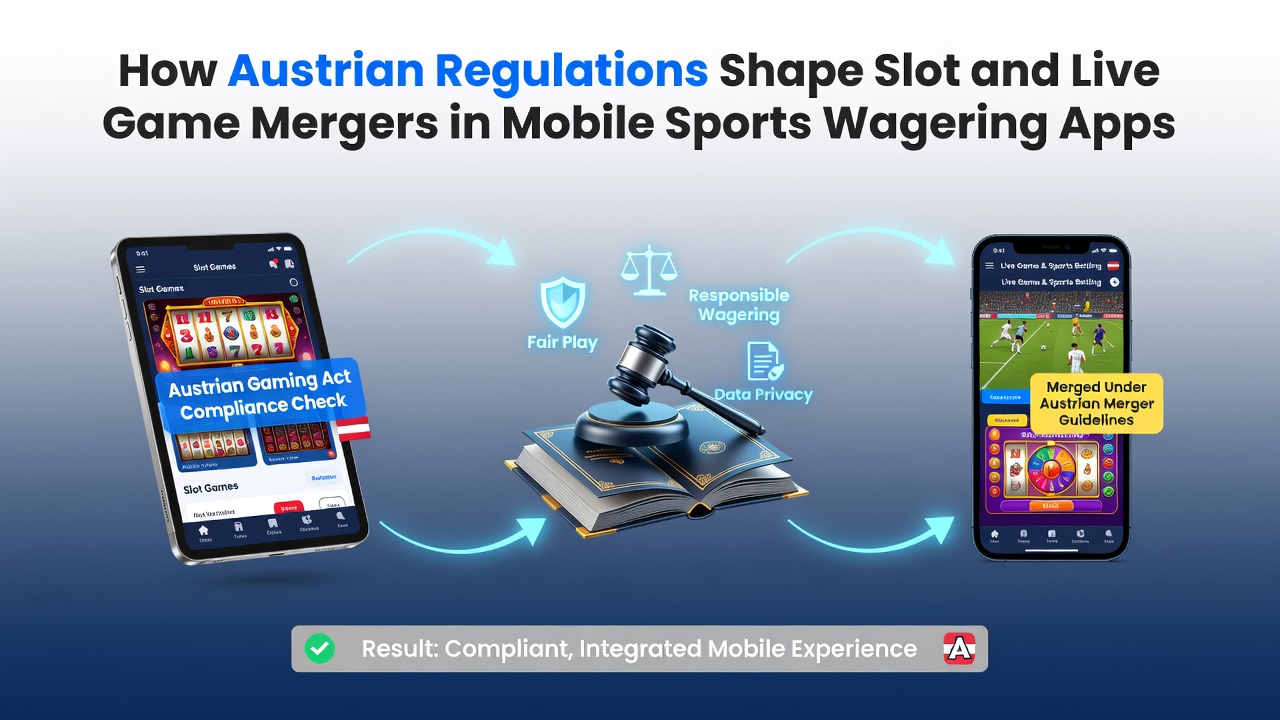
Austrian gambling laws under the Glücksspielgesetz create distinct licensing pathways for sports betting versus casino-style offerings, and this separation directly influences how developers integrate slot machines and live dealer games into mobile sports wagering apps. Federal oversight through the Ministry of Finance maintains strict controls on concession holders while provincial authorities manage additional local permissions, which means app operators must navigate overlapping requirements before combining product types.
Core Licensing Structures and Their Constraints
Concessions for sports betting operate under federal rules that emphasize real-time event wagering, yet operators often seek to embed additional entertainment layers such as slots and live table games to increase session duration. Because the law treats casino games as a separate category, any merger requires either expanded federal concessions or partnerships with entities already holding casino licenses. Data from the Austrian Federal Ministry of Finance shows that as of early 2026, only a limited number of holders possess dual-category permissions, forcing many mobile platforms to structure hybrid features through technical workarounds that keep the products visually merged while maintaining separate backend compliance layers.
Technical Integration Challenges in Mobile Environments
Mobile sports wagering apps must comply with age-verification and geolocation mandates that apply uniformly across product types, yet the addition of slots and live games introduces further obligations around random number generator certification and live-stream authentication. Regulators require independent testing for each game category, which complicates update cycles when developers attempt to merge interfaces. Observers note that platforms frequently deploy modular architectures so that a sports betting core remains isolated from casino modules, allowing quicker approval for incremental changes without triggering full re-certification of the entire application.
Provincial Variations Affecting Cross-Border App Functionality
Although sports betting concessions are federal, individual provinces retain authority over advertising and player acquisition practices, creating regional differences that affect how merged slot and live game features appear to users. In September 2026, updates to provincial advertising guidelines are scheduled to take effect, requiring clearer separation of promotional content between sports and casino elements even within a single app screen. Operators have responded by implementing dynamic content filters that adjust displayed games based on user location, a process that adds development overhead but ensures continued compliance across all nine federal states.
Industry reports indicate that these location-based controls have led several major platforms to delay full feature mergers until the new provincial rules stabilize. The approach preserves access to existing player bases while avoiding penalties for non-compliant promotions that blend sports odds with slot bonuses.
Player Protection Measures and Data Handling Rules
Austrian data protection statutes, aligned with broader European standards, impose strict consent requirements when apps combine sports wagering data with slot and live game activity for personalization purposes. Operators must maintain separate data silos unless users explicitly agree to unified profiling, a requirement that influences how recommendation engines function across merged product offerings. Research conducted by the University of Vienna's gambling studies group found that platforms using segmented data storage experienced fewer compliance incidents during routine audits compared with those attempting unified databases.
Market Response and Platform Adaptations
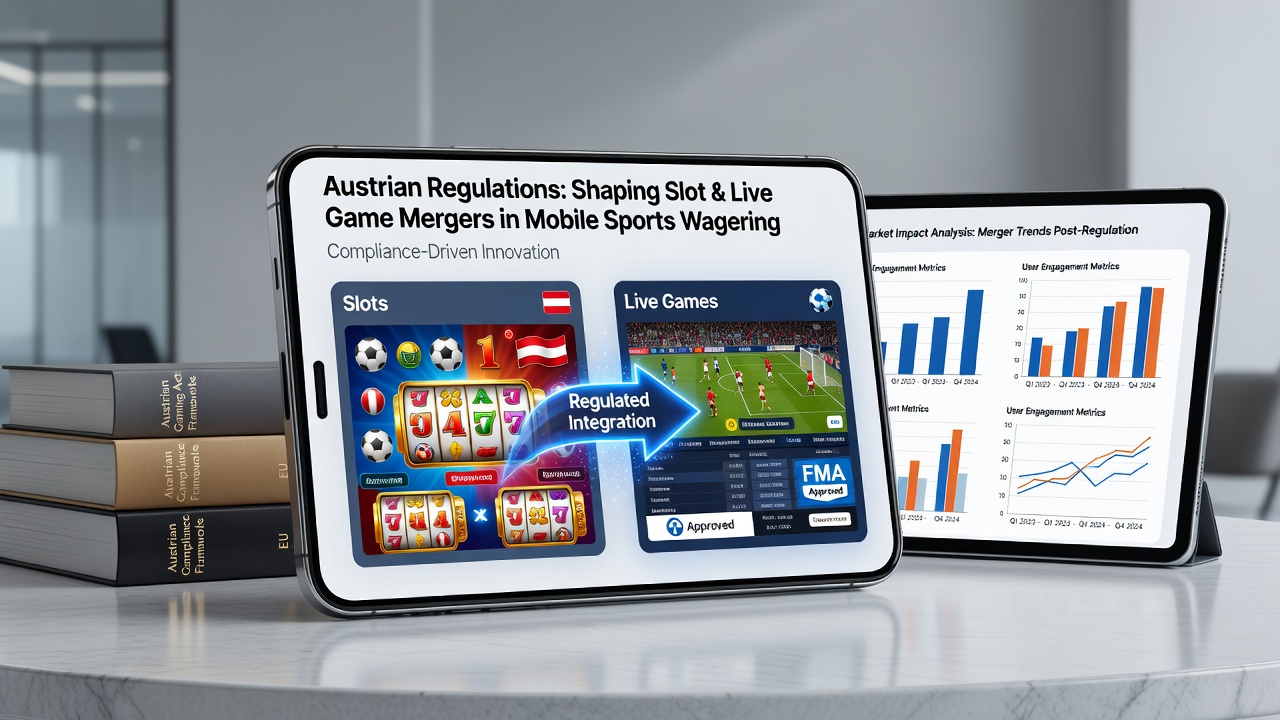
Operators have adapted by creating unified visual skins that mask underlying regulatory boundaries. Users encounter seamless navigation between sports markets and slot or live dealer sections, yet backend systems route each activity through distinct compliance channels. According to figures released by the European Gaming and Betting Association, this segmented approach has enabled Austrian-licensed apps to maintain competitive feature sets while satisfying federal and provincial auditors.
Take one developer who implemented API-level separation for each game category. The company retained the ability to push slot updates independently of sports betting odds feeds, reducing downtime during regulatory reviews. Similar patterns appear across multiple platforms operating in the Austrian market, demonstrating a consistent industry response to the layered licensing environment.
Conclusion
Austrian regulations continue to define the boundaries within which slot and live game features merge into mobile sports wagering applications. Federal concession structures, provincial advertising rules, and data protection requirements collectively shape technical architectures and release timelines. As September 2026 approaches with its scheduled provincial guideline updates, platforms are expected to refine their modular systems further to accommodate both compliance demands and user expectations for integrated experiences. These adaptations reflect ongoing efforts by operators to align product innovation with the precise requirements of Austrian gambling oversight.