Austria's Legal Framework and Its Impact on Hybrid Mobile Features Merging Slot Elements with Live Dealer Poker for Sports Bettors
Rafael Griffin · Sep 18, 2026

Austria's Legal Framework and Its Impact on Hybrid Mobile Features Merging Slot Elements with Live Dealer Poker for Sports Bettors
Austria maintains a structured legal system for gambling that combines federal oversight with provincial licensing requirements, and this setup directly shapes how operators develop mobile applications that blend slot mechanics with live dealer poker elements for users who also engage in sports betting. The core statutes, including the Austrian Gambling Act and related provincial rules, define what constitutes permitted game types while restricting unauthorized combinations that could blur lines between chance-based and skill-based offerings.
Current Regulatory Structure and Mobile Integration Rules
Federal authorities set baseline standards for online platforms, yet each province issues specific permits that dictate feature availability, and this layered approach means developers must navigate varying conditions when embedding random reel elements into live poker streams. Observers note that platforms targeting sports bettors often incorporate these hybrids to retain engagement, but only within licensed environments where age verification and transaction monitoring meet strict thresholds. Data from industry reports indicates that compliance costs rise when features cross traditional game categories, prompting operators to segment user experiences accordingly.
Provincial Variations Affecting Hybrid Designs
Lower Austria and Vienna apply distinct criteria for live dealer approvals compared to other regions, and these differences influence whether slot-like bonus rounds can appear alongside poker tables without triggering additional review processes. Research shows that operators adjust interface layouts based on these provincial stipulations, which in turn affects how sports betting sections connect to the same mobile session. One study revealed that synchronized promotions across game types require separate licensing pathways in certain provinces, leading companies to deploy modular app architectures.
September 2026 Developments and Their Projected Reach
Regulatory updates scheduled for September 2026 introduce enhanced reporting obligations for hybrid features, and these changes will require real-time logging of user interactions that merge random elements with dealer-led poker rounds. According to preliminary guidance from Austrian financial authorities, platforms must demonstrate clear separation between betting markets and casino-style components to avoid reclassification. Figures from compliance analyses suggest that sports betting apps integrating these elements will face tighter scrutiny on bonus structures, particularly when live sessions incorporate progressive slot mechanics.
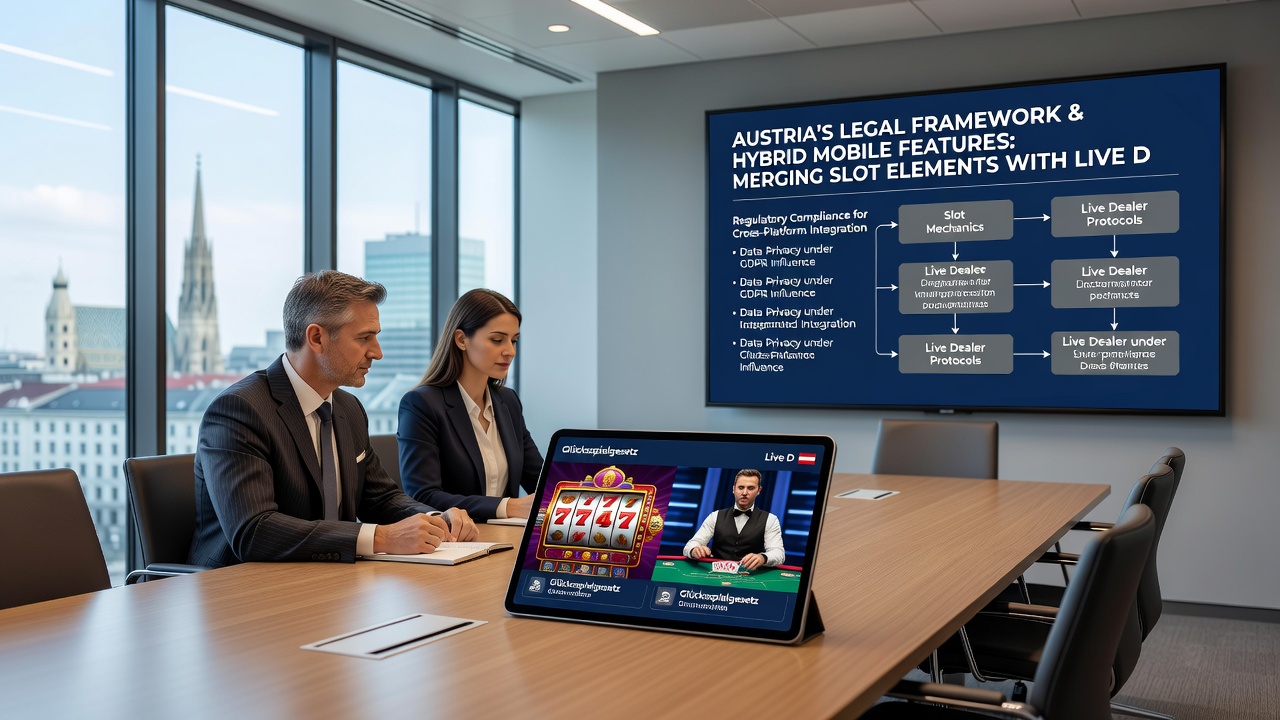
Turns out the new provisions also address data flows between sports wagering accounts and hybrid game sessions, which forces developers to refine consent mechanisms and segmentation tools. Experts have observed that early preparations among licensed operators include testing isolated modules that can activate or deactivate based on user location within Austria.
Effects on Feature Development for Sports Bettors
Operators building applications for sports bettors encounter constraints when attempting to merge live dealer poker with slot elements, since the legal framework classifies such combinations under casino rather than betting licenses in most cases. This classification triggers different tax and reporting regimes, and companies respond by creating toggle-based interfaces that let users switch contexts without mixing account balances. What's interesting is how these rules encourage partnerships between software providers and local licensees to ensure every hybrid component receives explicit approval.
Evidence suggests that user retention metrics improve when sports betting apps include controlled access to hybrid poker features, yet only if the integration respects provincial boundaries and federal monitoring standards. Researchers discovered that apps failing to segment these experiences encounter delays during license renewals, which pushes the industry toward standardized compliance checklists shared across multiple operators.
Industry Responses and Technical Adaptations
Companies active in the Austrian market have adopted API-driven designs that isolate slot mechanics from live dealer streams, and this technical separation helps satisfy auditors who review whether features remain within permitted categories. According to findings from the European Gaming and Betting Association, such adaptations reduce the risk of enforcement actions while allowing sports bettors to access varied content within one application. The reality is that ongoing consultations between regulators and developers focus on defining acceptable thresholds for random elements in skill-oriented poker environments.
One case involved a major platform adjusting its mobile layout to display slot bonuses only after a poker hand concludes, and this sequencing approach aligns with current interpretations of the law. Data indicates similar patterns across other providers preparing for the September 2026 requirements.
Conclusion
Austria's legal framework continues to guide the evolution of hybrid mobile features that combine slot elements with live dealer poker for sports bettors, and the upcoming September 2026 changes will further refine how these integrations occur. Provincial licensing differences, combined with federal reporting standards, encourage segmented app designs that maintain compliance while supporting user engagement across game types. Observers note that operators who align technical solutions with these rules position themselves to navigate future adjustments effectively, as data from regulatory bodies and industry sources continues to inform development practices across the sector.