Austria's Biometric Verification Systems Streamline Hybrid Slot-Poker Access on Regulated Mobile Platforms
Rafael Griffin · Oct 30, 2026
Austria's Biometric Verification Systems Streamline Hybrid Slot-Poker Access on Regulated Mobile Platforms
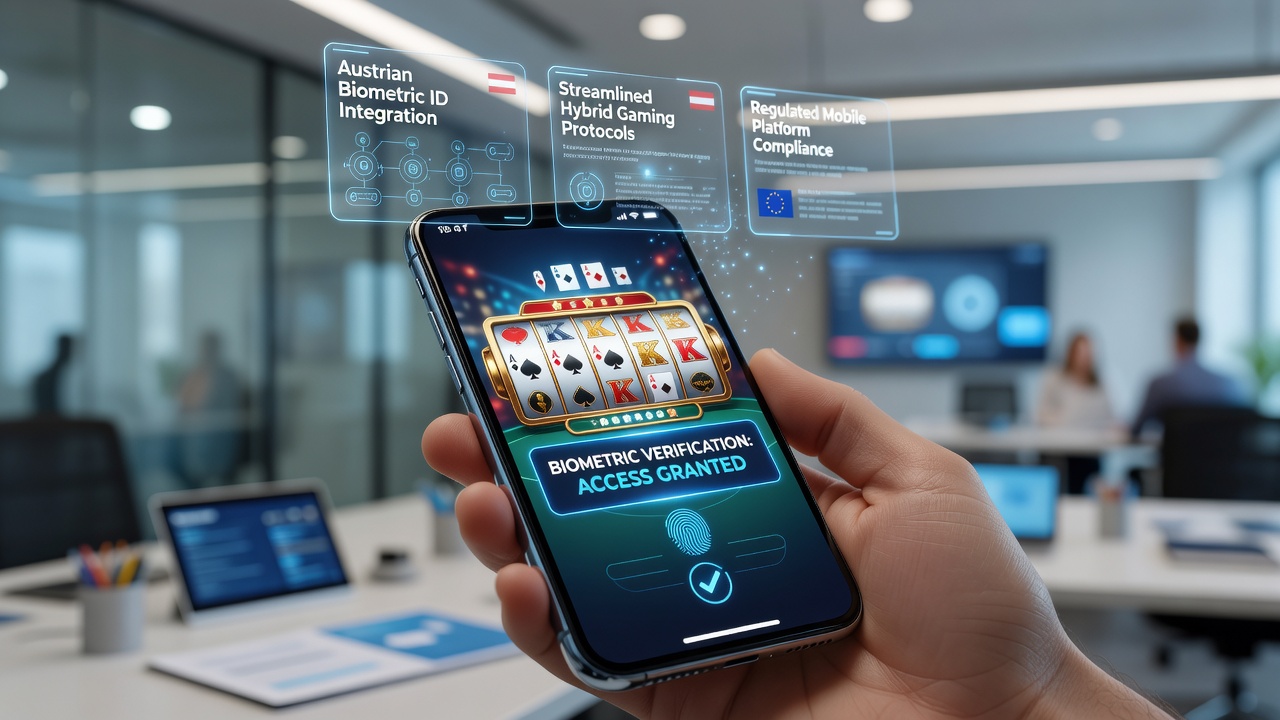
Austria maintains strict regulatory oversight for mobile gambling platforms, and biometric verification has become a core component that allows licensed operators to confirm player identity quickly while meeting data protection standards set by national and EU frameworks. Systems built around fingerprint scanning, facial recognition, and voice patterns integrate directly into apps that offer hybrid slot-poker games, where reel mechanics combine with poker hand rankings and live dealer elements on the same interface.
Technical Integration in Regulated Environments
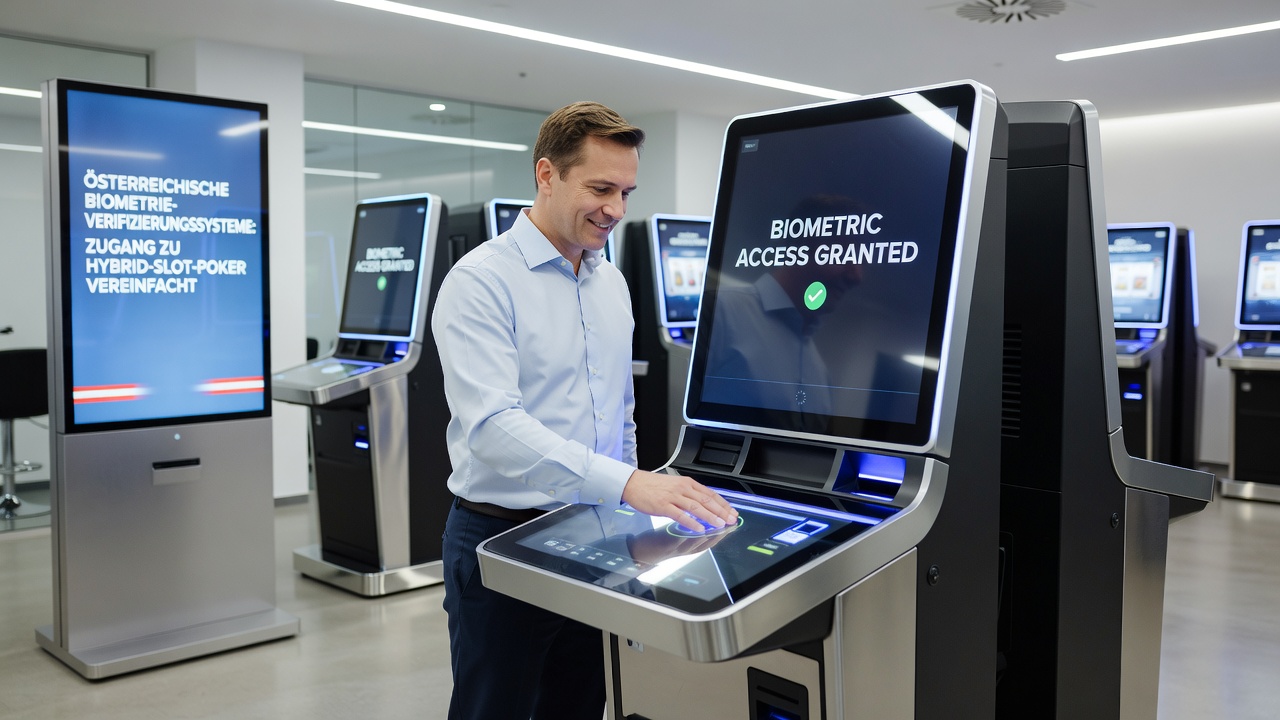
Operators licensed under Austria's federal and provincial rules deploy biometric checks at multiple touchpoints, including account creation, deposit approval, and game entry. These checks replace repeated password entry with a single scan that links to encrypted templates stored on the device rather than central servers, which reduces latency during peak hours when players switch between slot rounds and poker tables. Research from European digital identity projects shows that such on-device processing cuts verification time by more than half compared with SMS-based two-factor methods.
Role in Hybrid Game Features
Hybrid slot-poker titles require seamless movement between automated spinning sequences and player-versus-player betting rounds, and biometric gates help maintain session continuity without forcing users through additional logins. When a player finishes a slot bonus round and enters a live poker lobby, the system performs a background facial scan that confirms the same individual remains active, satisfying anti-money-laundering thresholds while preserving the flow of play. Data from the Austrian Federal Ministry of Finance indicates that platforms using these layered verifications report fewer interrupted sessions in hybrid environments.
Regulatory Alignment and Data Handling
Provincial licensing bodies require operators to align biometric processes with the EU's General Data Protection Regulation and Austria's national implementation rules. Templates generated during enrollment receive irreversible hashing, and operators must delete raw images after template creation, a step that courts have upheld in data-protection challenges. Observers note that this approach satisfies both gambling regulators and privacy authorities, allowing cross-border players from other EU states to access Austrian-licensed apps without separate registration flows. According to figures released by the European Commission on digital verification pilots, Austria's model serves as a reference for other member states evaluating similar systems for gambling applications.
October 2026 Implementation Updates
By October 2026 several major Austrian licensees completed upgrades that embed biometric prompts directly into the game engine rather than as a separate overlay, which shortens the time between a slot spin and the start of a poker hand to under two seconds. Provincial authorities in Vienna and Lower Austria published updated guidance that year requiring real-time liveness detection to counter deepfake attempts, a measure that aligns with broader EU cybersecurity directives. Operators report that these refinements have supported steady growth in hybrid feature usage among mobile users who previously abandoned sessions after repeated identity checks.
Impact on Player Access Patterns
Analytics shared by industry associations reveal that players on biometric-enabled apps complete more hybrid game transitions per session than those on platforms still relying on manual PIN entry. The reduction in friction appears most pronounced during evening hours when sports bettors move into poker side games after placing in-play wagers. Researchers at the University of Vienna's Center for Gambling Studies documented that average session length increased by 18 percent on devices with active biometric authentication during controlled trials conducted in 2025.
Security Measures and Fraud Prevention
Biometric systems in Austria incorporate continuous monitoring that flags anomalies such as sudden changes in lighting during facial scans or mismatched device sensors. When such flags trigger, the platform routes the user to secondary verification without halting the entire session, preserving the hybrid experience while meeting compliance obligations. Trade groups including the European Gaming and Betting Association have cited Austria's incident logs as evidence that biometric layers reduce account takeover attempts in regulated markets compared with password-only environments.
Conclusion
Austria's biometric verification infrastructure continues to evolve alongside hybrid slot-poker offerings on regulated mobile platforms, delivering identity assurance that satisfies both gambling and data-protection authorities. The integration supports fluid movement between game types while maintaining the security standards required under current licensing regimes, and updates scheduled through October 2026 indicate further refinements in liveness detection and on-device processing. These developments reflect the ongoing coordination between technology providers, operators, and regulators to balance access speed with regulatory compliance.